Jade oolong tea, also known as green oolong, is a type of Taiwanese oolong that is gaining popularity among tea enthusiasts worldwide.
The tea is known for its delicate and floral flavor profile and sweet and refreshing aftertaste.
If you want to expand your tea palate, keep reading since we will explore the many facets of this tea.
Please note: This article contains affiliate links, meaning I may earn a commission if you make a purchase by clicking a link. Of course, this comes at no extra cost to you and helps me keep offering readers solid information.
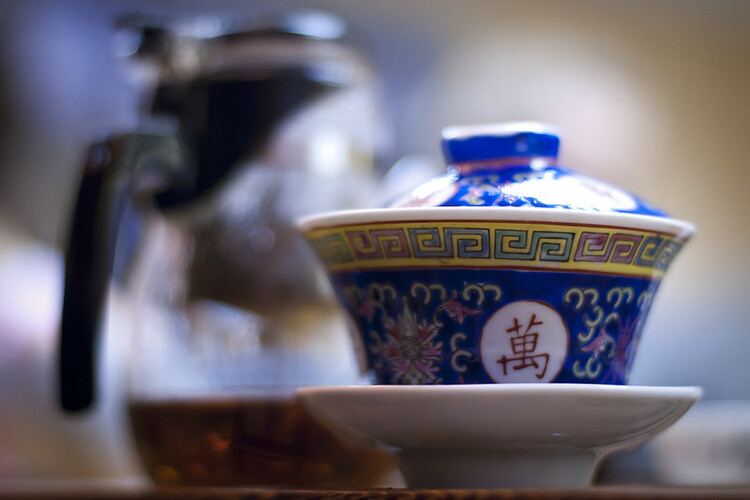
“blue gaiwan” by irumge is licensed under CC BY 2.0.
Understanding Jade Oolong Tea
Jade oolong tea, also known as green oolong tea, is a type of partially oxidized tea that falls between green tea and black tea in terms of oxidation levels. Oolong tea is primarily produced in China and Taiwan, and jade oolong is a specific variation known for its delicate, floral aroma and smooth taste.
Jade oolong gets its name from the beautiful jade green color of the leaves. The leaves are plucked from the tea plant and undergo an intricate process involving withering, tossing, and oxidation. However, jade oolong tea’s oxidation level is usually lower than darker oolong teas, resulting in a lighter flavor profile.
Growing and Production Regions
Jade oolong tea is primarily grown and produced in two central regions: China and Taiwan.
In China, jade oolong is cultivated in areas such as Fujian, Guangdong, and Guangxi. Each region produces its distinctive style of jade oolong tea, with variations in taste, aroma, and processing methods.
Taiwan is renowned for its high-quality oolong teas, including jade oolong. The central mountainous regions of Taiwan, such as Nantou County, Hualien County, and Chiayi County, are particularly famous for their jade oolong tea production. These areas’ mountainous terrain, fertile soil, and favorable climate contribute to cultivating exceptional tea leaves.
Each region’s specific cultivars and terroir play a significant role in shaping the flavor profiles of jade oolong teas. The expertise and craftsmanship of the tea producers in these regions also contribute to the tea’s unique characteristics.
It’s worth noting that while China and Taiwan are the primary producers of jade oolong tea, other countries have also started cultivating this tea variety. These include countries like Thailand, Vietnam, and Japan, although the production quantities and reputation may not be as significant as in China and Taiwan.
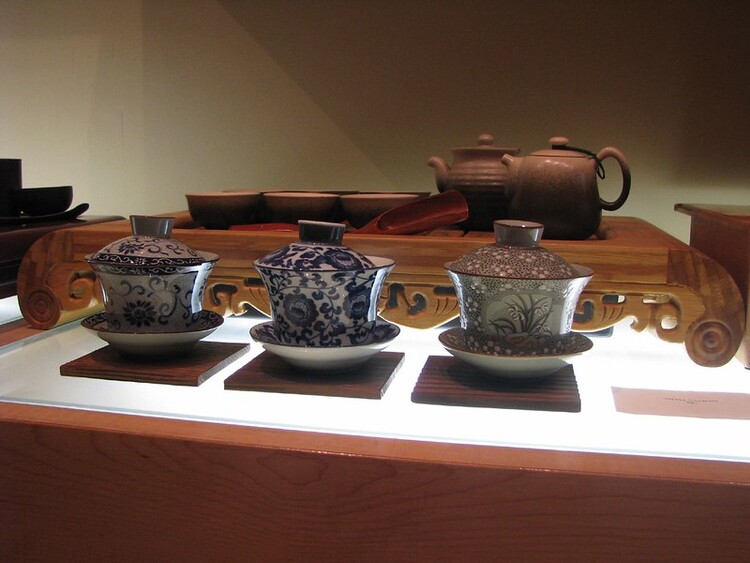
“Gaiwans” by Gary Soup is licensed under CC BY 2.0.
The Art of Oolong Tea
I will touch briefly on the oolong production process. If you want to learn more, you can check out our specific oolong articles. We have covered plenty of types.
Processing oolong tea is a complex and time-consuming process that requires skill and expertise. The process has many variations and ultimately depends on the tea artisan. I have tried to synthesize the main points below.
- The process begins with the careful selection and plucking of tea leaves. Only the top leaves and buds are usually chosen, as they are considered the most tender and flavorful.
- The freshly plucked tea leaves are spread out in a thin layer and left to wither. This step allows moisture to evaporate from the leaves, making them more pliable for further processing.
- After withering, the leaves are tossed, shaken, or bruised to start the oxidation process. In some cases, the leaves are rolled and/or twisted.
- Oxidation is a crucial step that defines the category of oolong tea. The oxidation level is generally lower for jade oolongs than for darker oolongs. The leaves are spread out and allowed to oxidize, usually for a shorter period compared to black teas. This partial oxidation gives jade oolong its distinctive flavor profile.
- After oxidation, the leaves are fired or baked to stop oxidation and lock in the flavors and aromas.
- The fixed leaves are rolled into tight, compact shapes. Rolling helps to shape the leaves, release their essential oils, and enhance the flavor development during subsequent infusions.
- The rolled leaves are then dried (or lightly baked) to remove any remaining moisture. This step ensures the tea leaves are shelf-stable and ready for packaging and consumption.
- To finalize, the tea leaves are sorted, graded, and packaged.
Taste Profile
While the flavor of jade oolong can vary slightly depending on factors such as cultivar, growing region, and processing techniques, here is a general description of the flavor profile you can expect from it:
- Floral: The tea often exhibits floral notes ranging from subtle and delicate to more pronounced and aromatic. You may detect hints of flowers such as orchids, lilacs, or gardenias.
- Fruity: Some jade oolongs carry a fruity undertone that adds a pleasant sweetness to the brew. The fruity notes can vary, including hints of ripe peaches, apricots, or citrus fruits. These fruity flavors provide a refreshing and vibrant aspect to the tea.
- Vegetal: This oolong is not as vegetal as green teas, but it can still offer mild vegetal notes. These flavors may remind you of fresh grass or leafy greens, but they are typically more subdued than green tea.
- Creamy: One characteristic that sets jade oolong apart is its occasional creamy or buttery texture and taste. This creaminess is often associated with specific cultivars, such as Jin Xuan, which naturally exhibit a milky aroma. The creamy notes add a luxurious element to the drinking experience.
- Mellow and Balanced: These teas are generally known for their smooth and well-rounded character. The flavors are often harmoniously balanced, with no single element overpowering the others.
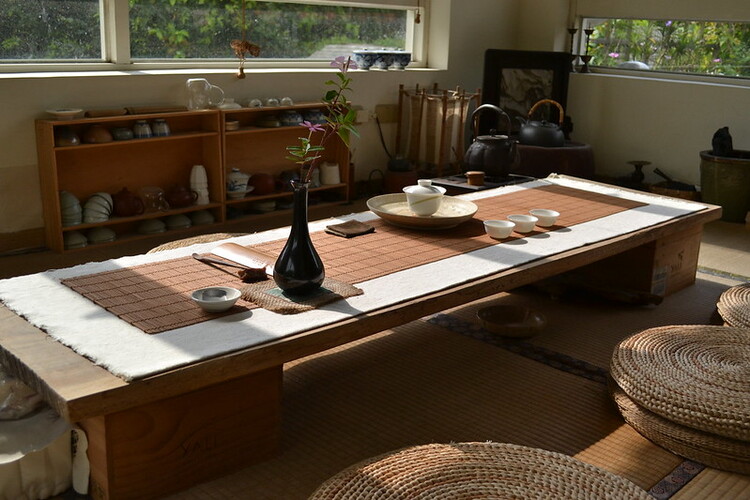
“Casa Li_Banchetto del tè (lato).” by Anita Venanzi is licensed under CC BY-SA 2.0.
Brewing Guide
Gong Fu Brewing Method
If you want to enjoy the full flavor of Jade Oolong, then the Gong Fu brewing method is the recommended way to go. This method involves using a small teapot (Yixing clay teapot) and brewing the tea in multiple short infusions. This brewing method ensures the best taste. Here’s how you can do it:
- Preheat your teapot and cups by rinsing them with hot water.
- Add about 5-6 grams of tea leaves to the teapot.
- Pour hot water over the tea leaves and immediately pour it out. This helps to rinse the tea leaves and awaken their flavor.
- Refill the teapot with hot water and let it steep for about 20-30 seconds.
- Pour the tea into your cups and enjoy the fragrant aroma and delicate taste.
- Repeat steps 4 and 5 for multiple infusions, gradually increasing the steeping time with each infusion. You can increase the steeping time by 10 to 20 seconds for each infusion.
Please pay attention to the last step. You can (and should) infuse your oolong tea multiple times. Please make the most out of it!
Gaiwan Brewing Method
You can use a gaiwan to brew tea as well. A gaiwan is a traditional Chinese tea brewing vessel that allows you to control your tea’s temperature and steeping time. Here’s how to use it:
- Warm the gaiwan and tea cups with hot water,
- Add the tea leaves to the gaiwan. Use about 3-6 grams of tea per 100 ml of water.
- For heavily roasted oolongs, pour hot water over the tea leaves and immediately pour it out. This helps to rinse the tea leaves and awaken their flavor.
- Slowly pour water over the leaves till the rim of the gaiwan.
- Add the lid and steep for 20-30 seconds.
- Pour the tea into teacups. While doing this, hold the gaiwan with your thumb and middle finger. Secure the lid with the index finger.
- Repeat the process with multiple infusions.
Western Style Brewing
If you prefer to brew tea using Western methods, start by heating the water. Put one teaspoon of tea leaves into a tea infuser or strainer, and place it in a cup. Pour the hot water over the leaves and let it steep for about 3-4 minutes. Remove the infuser or strainer and enjoy your tea.
Ideal Water Temperature
The water temperature plays a crucial role in brewing this tea. If the water is too hot, it can burn the delicate tea leaves and ruin the flavor. On the other hand, if the water is too cold, it may not extract the full flavor of the tea leaves. Here’s the ideal water temperature for brewing this particular tea:
- Bring fresh, cold water to a boil.
- Let it cool down for 2-3 minutes until the water temperature reaches around 190-200°F (88-93°C).
- Pour the hot water over the tea leaves and let it steep for the desired time.
Remember to use fresh, cold water that is free of any impurities. Avoid tap water if possible, as it may contain chlorine or other chemicals that can affect the taste of your tea.
Health Benefits
Jade oolong tea offers a range of health benefits due to its blend of natural compounds. Here are some of the benefits you can expect from drinking this tea.
Caffeine Content
Jade oolong has a moderate caffeine content, which can help you feel more alert and focused. However, if you are sensitive to caffeine, you may want to limit your intake or choose a decaffeinated version.
Nutritional Value
Jade oolong is a rich source of polyphenols, which are natural compounds that have been linked to a range of health benefits. These include reducing the risk of heart disease, improving brain function, and reducing inflammation.
In addition, jade oolong tea contains other beneficial nutrients, such as:
- Vitamins: Contains small amounts of vitamins A, C, and E, which are important for maintaining healthy skin, eyes, and immune function.
- Minerals: Contains minerals such as calcium, magnesium, and potassium, which are important for maintaining strong bones and muscles.
- Antioxidants: The tea is rich in antioxidants, which can help protect your body against damage from free radicals.
Buying Recommendations
When it comes to buying Jade Oolong, you have some options.
A great place to buy this tea is at specialty tea shops. These shops often carry a wide variety of tea blends. You can find loose-leaf tea or tea bags, depending on your preference. Specialty tea shops are also the place to ask questions and get recommendations from knowledgeable staff members who can help you find products according to your preferences and budget.
If visiting a specialty tea shop is not viable, you can look for reputable online tea shops or retailers. You can also read reviews from other customers to get an idea of the quality of the tea and the seller’s reliability.
Here are some recommendations:
Teabloom Organic Jade Oolong Loose Leaf Tea


Tealyra – Jade Taiwanese Formosa Oolong


High Mountain Oolong Ti Kuan Yin Jade Oolong Tea


Frequently Asked Questions
Where can I purchase high-quality Jade Oolong tea?
You can purchase high-quality Jade Oolong from specialty tea shops, online tea retailers, or tea growers in Taiwan. Check the reviews and reputation of the seller before making a purchase.
What are the health benefits of drinking Jade Oolong tea?
Jade Oolong is rich in antioxidants, polyphenols, and other beneficial compounds that can help boost your immune system, lower cholesterol levels, improve digestion, and promote weight loss. It can also help reduce stress and anxiety and improve cognitive function.
Is Jade Oolong tea considered a green tea?
No, Jade Oolong tea is not considered a green tea. It is a type of oolong tea that is partially oxidized, which gives it a unique flavor and aroma.
What is the difference between Jade Oolong and Orchid Oolong tea?
Jade Oolong and Orchid Oolong are both oolong teas, but they have different levels of oxidation and processing. Jade Oolong is lightly oxidized and has a fresh, floral flavor, while Orchid Oolong tea is more heavily oxidized and has a richer, more complex flavor.
Can I buy Jade Oolong tea online?
Yes, you can buy Jade Oolong online from reputable tea retailers. Read reviews and check the seller’s reputation before making a purchase.
What is King Hsuan Oolong tea, and how does it compare to Jade Oolong?
King Hsuan Oolong is a type of oolong tea grown in Taiwan and has a similar flavor profile to Jade Oolong. However, King Hsuan Oolong tea is made from a different tea plant cultivar and has a slightly different taste and aroma.
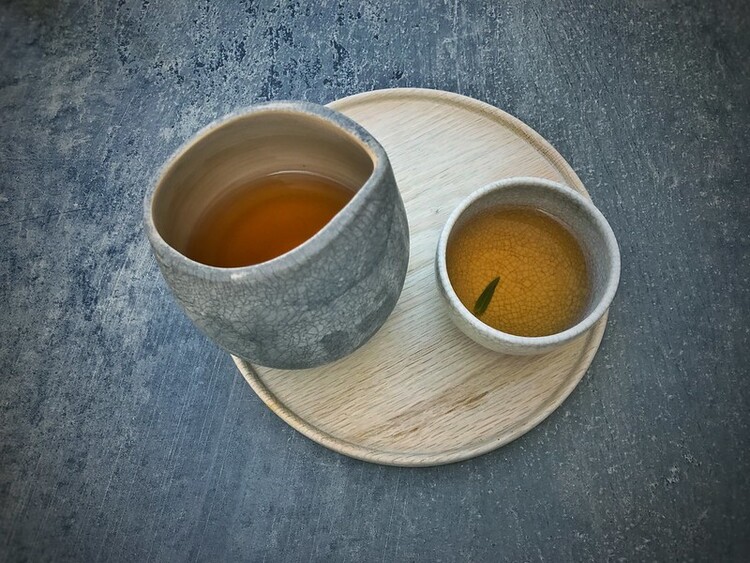
“Oolong” by T.Tseng is licensed under CC BY 2.0.
I hope you enjoyed the article and learned something new. See you next time!
Have you tried this tea?